

The shoulder joint, also known as the glenohumeral joint, is one of two “ball and socket” joints in the body. The other one is the hip joint. Let’s briefly describe the hip joint first.
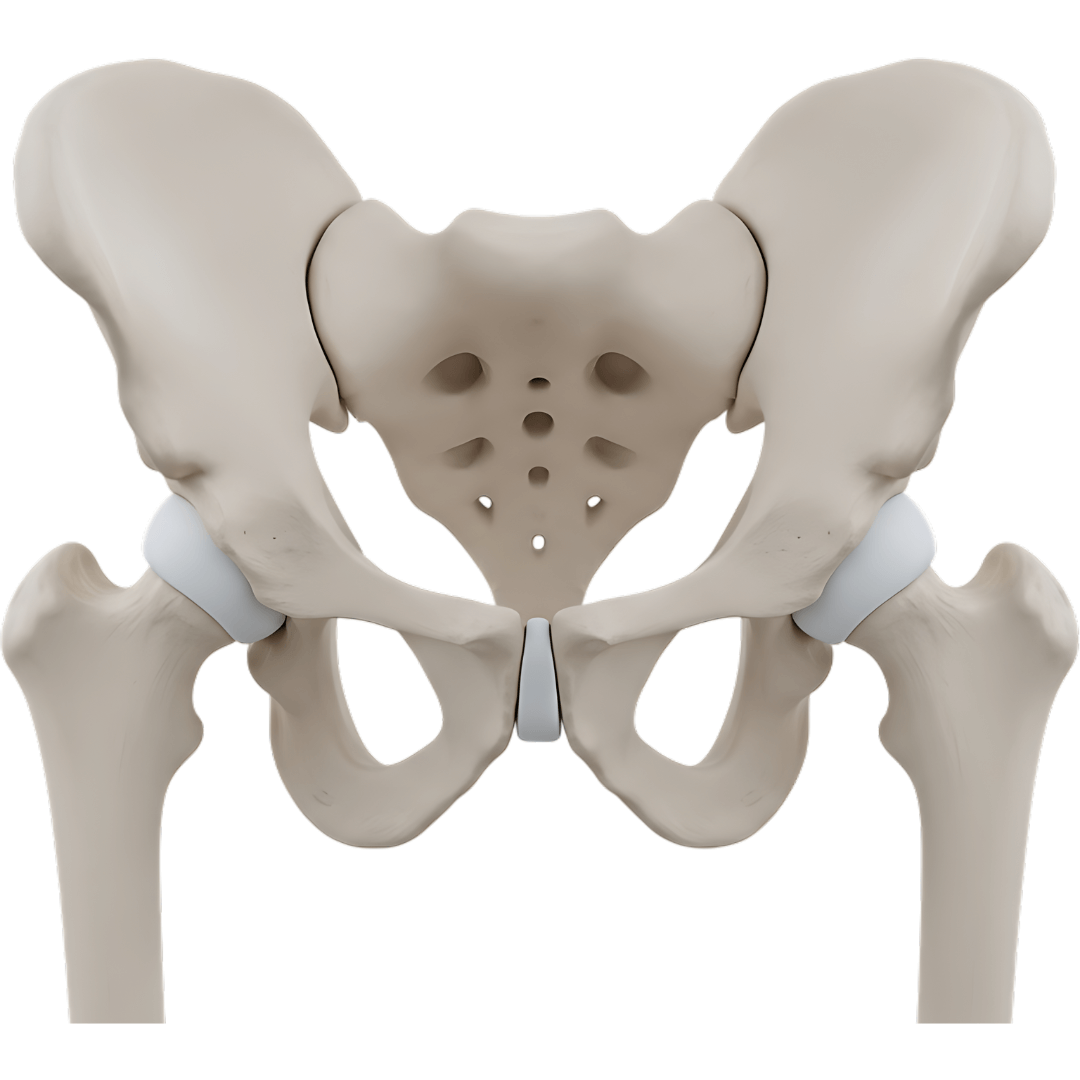
The hip joint consists of two parts – the head of the femur (the “ball”) and a cup-shaped hollow in the pelvis known as the acetabulum ( the “socket”). When you look at the hip joint, you see that the ball fits very neatly inside the socket. There are sections of bone “cupping” bone. The adjacent surfaces hug each other. This is a very stable joint. You don’t hear about many dislocated hip joints.
Now let’s look at the shoulder.
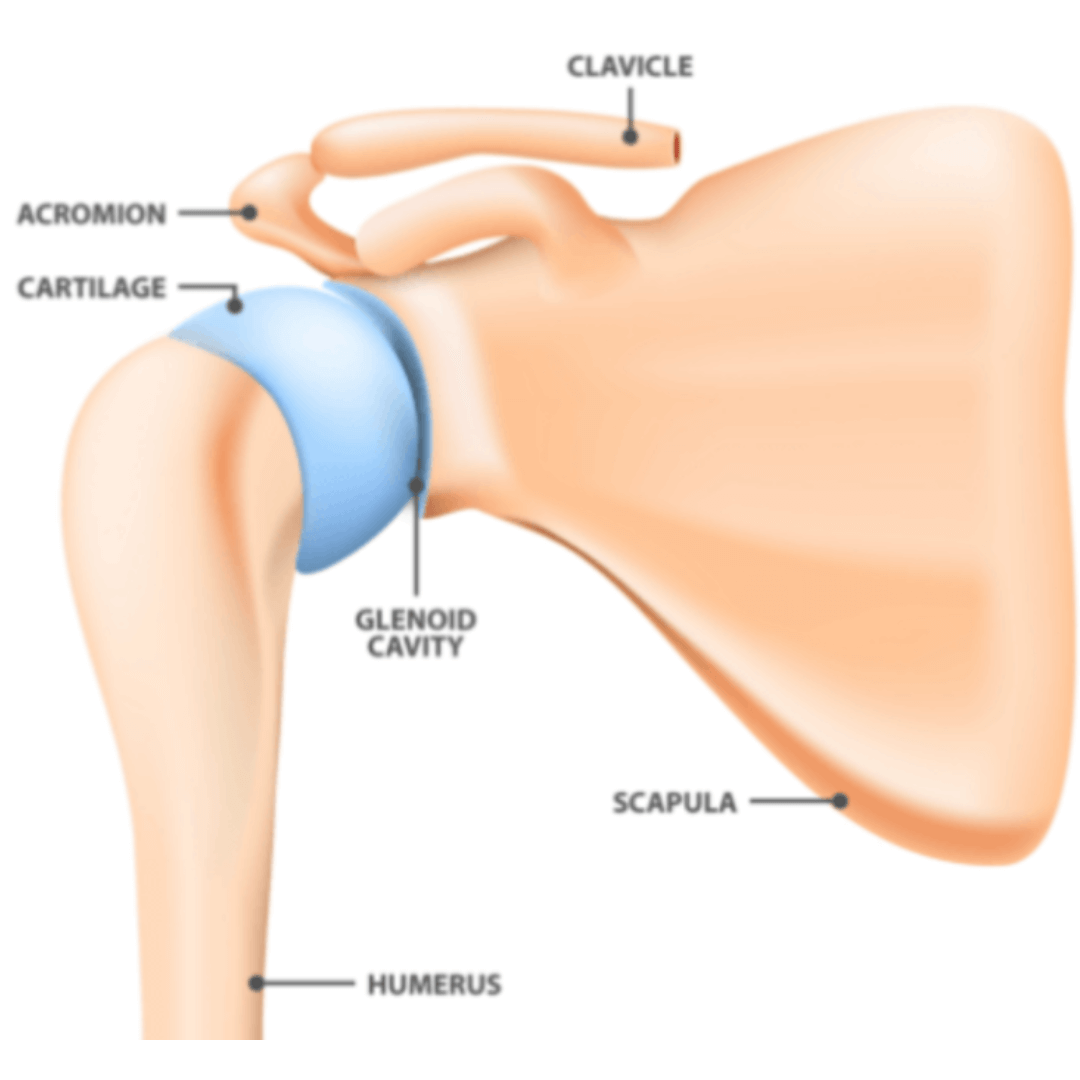
The head of the humerus, the bone between your shoulder and your elbow, is the ball. The
glenoid fossa on the shoulder blade, is the socket. The ball is VERY curved and the socket is
only slightly curved (almost flat). There is no bony cupping. This is a relatively unstable joint (hence all the footballers with shoulder injuries). Additional support for this joint comes from surrounding muscles (the rotator cuff muscles) and ligaments.
Because of this shallow socket, we are able to move our shoulder in various directions.
Unfortunately, this enormous range of motion being limited only by muscles and ligaments
means that the shoulder joint is quite unstable. This instability can affect everyday activities like getting dressed or showering, athletic performance and even sleep.
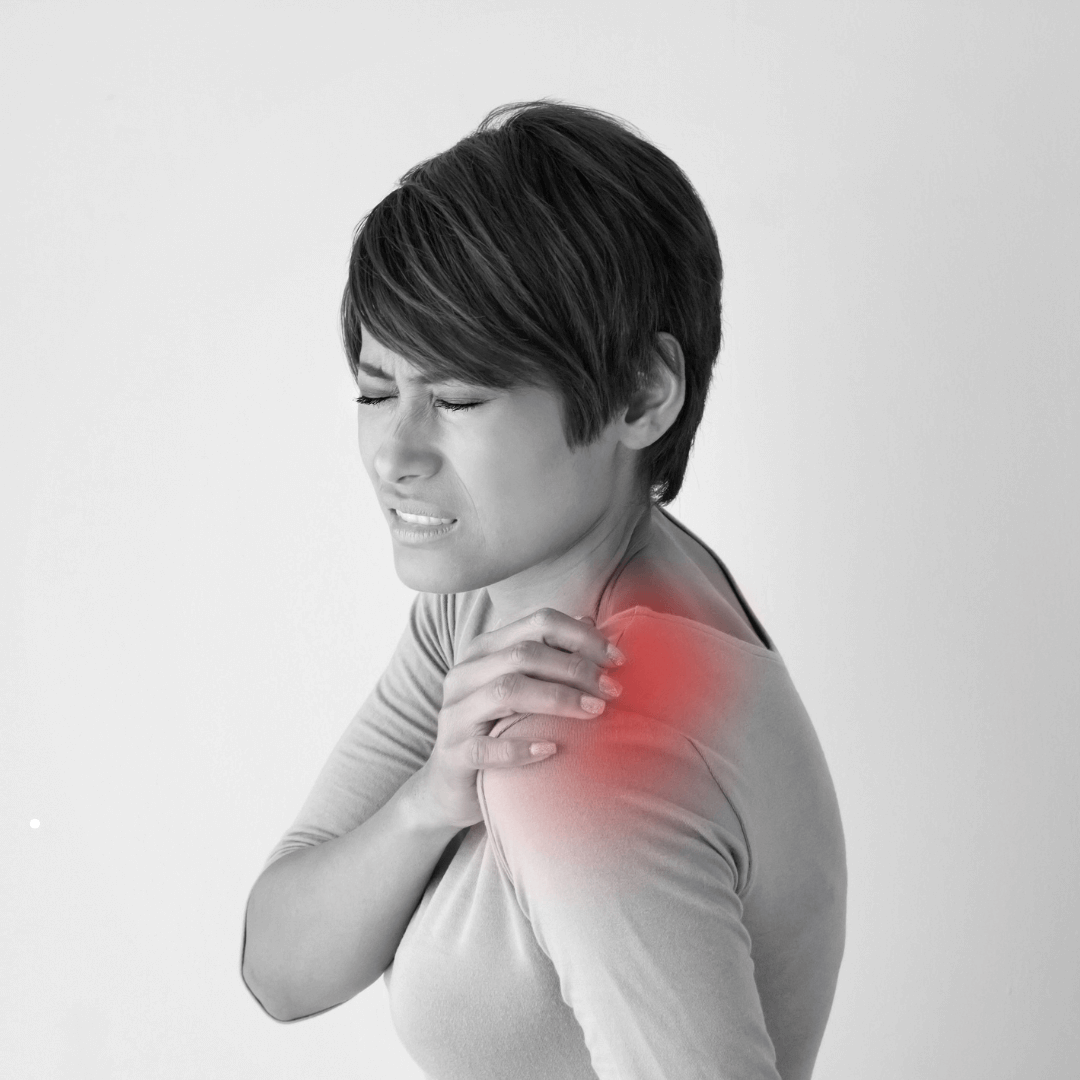
People will describe instability symptoms such as:
– a sense of the shoulder slipping out of place
– pain or discomfort when moving the arm, especially overhead
– weakness in the shoulder muscles
– noises like popping or clicking
There are two ways of developing shoulder instability. The first is through trauma – a fall, a heavy knock, electrocution. The second occurs without trauma. It develops slowly, can be due to repetitive overhead movements (swimming, throwing), due to a muscle imbalance or altered body alignment as we age and begin to stoop.
The history of the shoulder instability will determine the treatment and the possible outcomes. Chiropractic treatment involves:
– joint mobilisation and/or manipulation,
– soft tissue therapy to balance the muscles, reduce inflammation and promote healing
– dry needling
– strengthening and rehabilitation exercises
– postural and ergonomic advice.
Other treatments can include a cortisone injection in the region or hydrodilatation (fluid is injected into the joint capsule to stretch it).
If the muscle has been torn or become detached from the bone, or there is damage to the
cartilage, then surgery may be required.
Here are some tests you can perform at home to see if you have a rotator cuff problem.
These are call the Apley Scratch Test ( if you want to google them).
The test consists of three movements. You perform each test on both sides, comparing right side with left.
You should be able to
– Complete the test on each side
– Complete the test without pain on each side
– Be equal from side to side.
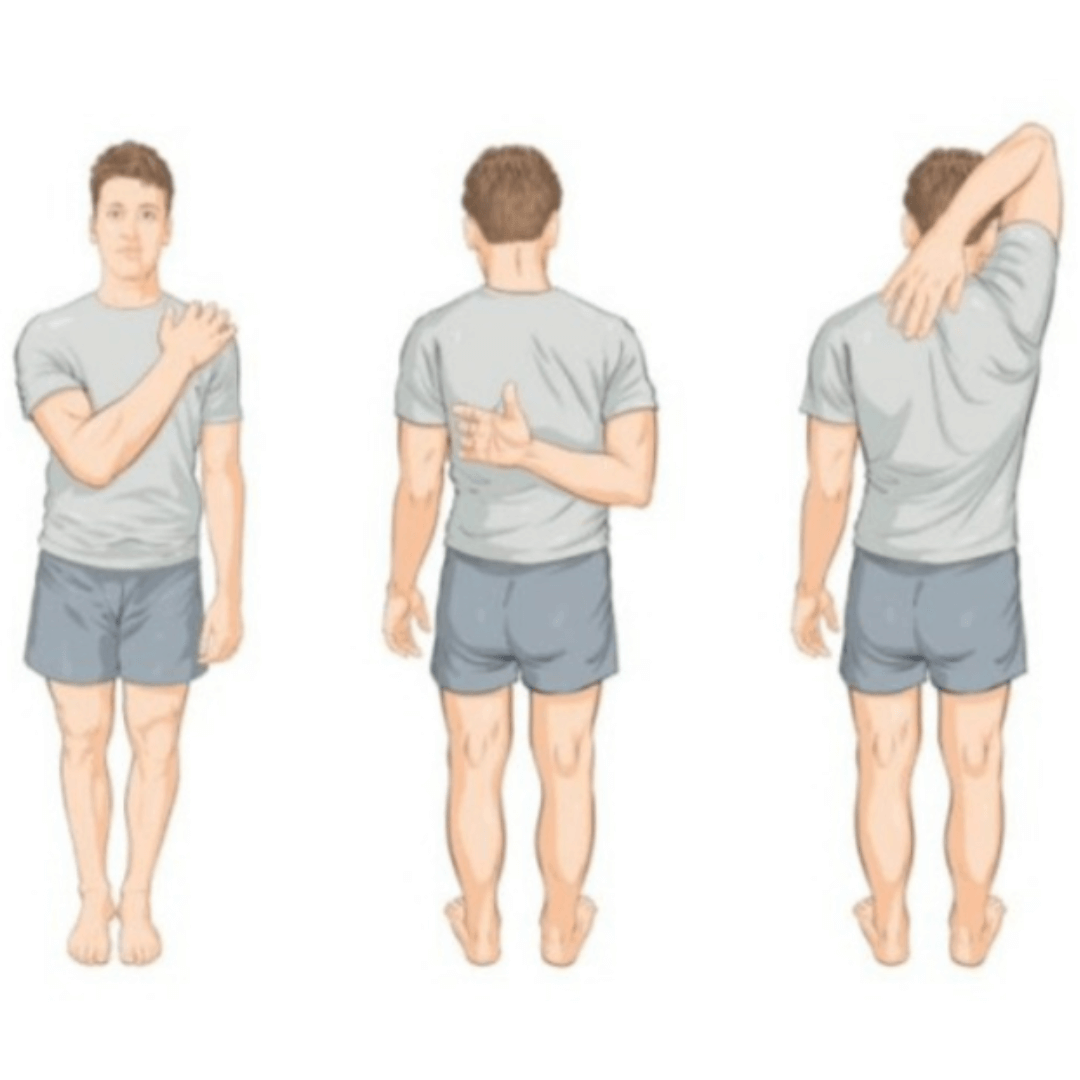
Following the diagram, the tests are:
– Reach across your chest and touch the opposite shoulder
– Reach behind your back and touch the bottom of the opposite shoulder blade
– Reach behind your head and touch the top of the opposite shoulder blade.
If you can’t perform one of these tests, it suggests you may have a shoulder problem.
DON’T IGNORE MINOR SHOULDER PROBLEMS! Some cases can deteriorate quite quickly
and you may end up with a frozen shoulder as well.